
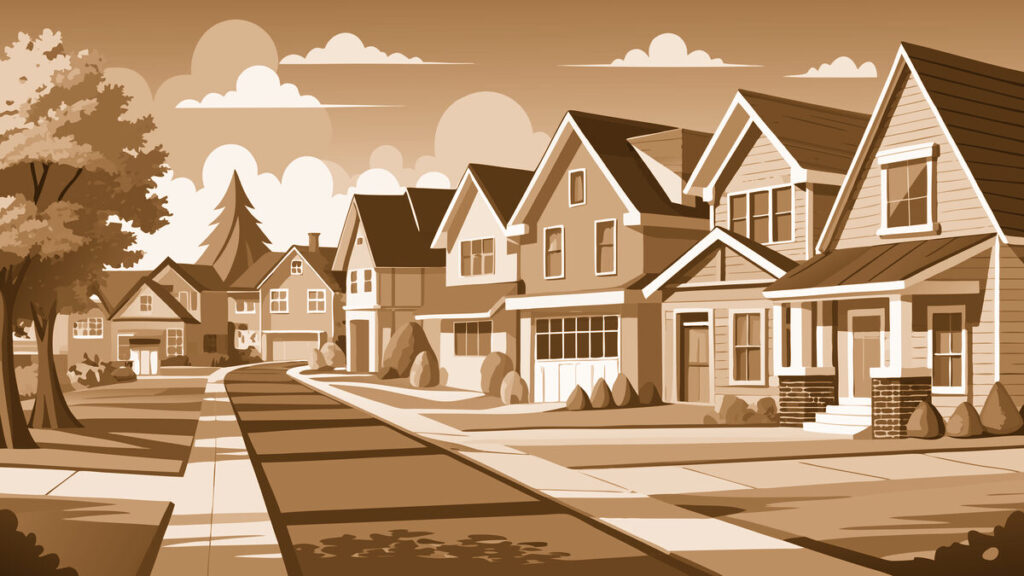
Cape May Point, nestled at the very tip of New Jersey’s Cape May Peninsula, is a neighborhood where time seems to slow, and history lingers in the salt air. While only a short distance from the bustling Victorian streets of downtown Cape May, Cape May Point stands apart—a quiet, close-knit community surrounded by dunes, bird sanctuaries, and the rhythmic Atlantic surf. For those who have lived here or simply visited, Cape May Point is much more than a pinpoint on the map; it’s a living testament to centuries of coastal life, preservation, and heritage.
The Origins: From Colonial Outpost to Spiritual Retreat
Cape May Point’s story begins long before its official incorporation. The land was originally inhabited by the Lenni Lenape people, who fished and hunted along its shores. European settlement began in the 17th century, when Dutch and English colonists recognized the area’s strategic value at the mouth of the Delaware Bay.
The name “Cape May Point” reflects its geography—the literal point at the cape’s southernmost tip, named after Dutch explorer Cornelius Jacobsen Mey, who mapped the region in 1621. The community didn’t flourish until much later, however, when it became both a religious and resort destination. In the late 19th century, a group of Methodists founded the “Sea Grove Association,” purchasing land west of what is now the lighthouse, to create a “model Christian community.” Their vision shaped both the culture and street layout, with names like Mount Vernon Avenue and Yale Avenue.
Key Historical Milestones
Cape May Point quickly developed a unique identity:
- 1875: The town was officially incorporated as Sea Grove—mirroring neighboring Ocean Grove on the Jersey Shore—before reverting back to Cape May Point in 1878.
- Cape May Lighthouse: The most iconic structure in Cape May Point is its lighthouse. Built in 1859, this 157-foot beacon at Lighthouse Avenue and Lehigh Avenue has guided ships for more than 160 years. Today, the lighthouse stands as both a maritime monument and a beloved local landmark.
- Saint Mary by-the-Sea Retreat House: Perched on the dunes at 101 Lehigh Avenue, this former hotel-turned-convent and retreat center became a spiritual hub from the 1900s until its closure in 2021, welcoming people for reflection and solace.
- World War II Bunker: Along Sunset Boulevard, remnants of a massive concrete bunker still stand on the beach, echoing the area’s strategic significance during World War II, when Cape May Point was fortified against potential enemy attacks.
- Cape May Point Science Center: Housed in a historic building that once served as a Coast Guard base, today it offers environmental education and a deep connection to the area’s natural heritage.
Notable Landmarks and Buildings
Cape May Point is dotted with hidden gems and sites of local pride:
- Cape May Lighthouse: Is open to visitors year-round, rewarding climbers with spectacular views of Cape May Point State Park and the endless Atlantic.
- Lake Lily: This serene freshwater lake, bordered by Lake Drive and East Lake Drive, is a favorite for quiet contemplations, nature observation, and community events. In the spring and fall, migrating birds fill the skies above it.
- Cape May Point State Park: Stretching from Lighthouse Avenue to the sea, the park features nature trails, historic exhibits, and wildlife observation platforms. Its marshes and scrubland make it a hotspot for birders—especially during fall migration.
- St. Peter’s By-the-Sea: Though small and simple, this unique, wooden, open-air chapel—a seasonal summer church—has welcomed worshippers in a cozy idyll along Ocean Avenue since the late 1800s.
- Alexander Avenue: The heart of the Point, lined with charming cottages and ocean breezes, encapsulates the historic character of the community.
A Community Evolving with the Decades
Over the decades, Cape May Point has weathered storms—both literal and metaphorical. Fires, coastal erosion, and shifting tides have continually shaped its landscape and identity. In the late 19th and early 20th centuries, many grand Victorian hotels and boarding houses dotted the shoreline; most fell to the elements or economic pressures, paving the way for the quieter, residential neighborhood we see today.
A robust environmental ethos has long defined the Point. Volunteer-led initiatives helped replant dunes in the 20th century, preserving the fragile ecosystem. The Cape May Bird Observatory, founded in 1976 on East Lake Drive, has brought global attention to Cape May’s astounding bird migrations and played a key role in conservation.
Living Heritage: Nature, Community, and Quiet Reflection
What truly defines Cape May Point today is its harmonious blend of history and nature. Residents cherish simple joys: sunrise walks from Pavilion Circle to the tip of Stites Avenue, a summer ice cream social at the Cape May Point Civic Club, or the gentle echo of the lighthouse’s beacon on a foggy evening.
- Streets in the Point rarely bustle with traffic; winding avenues like Cambridge, Harvard, and Coral offer picture-perfect vignettes of seashore living.
- Neighbors gather for bird counts or volunteer with the state park, protecting nesting shorebirds.
- The historic architecture is preserved with care—gingerbread trim, front porches, and pastel hues evoke the Great Age of Seaside Retreats.
Conclusion: Cape May Point’s Enduring Allure
For those who call it home or have wandered its sandy paths, Cape May Point weaves together history, heritage, and simplicity. From its earliest days as a sanctuary of faith and reflection to its present-day reputation as a destination for nature lovers and seekers of tranquility, the Point is a place that honors its past—while always looking out to sea.
Whether you are marveling at the sturdy silhouette of the lighthouse, greeting migrating monarchs amid goldenrod, or listening to stories from a local on the porch of a weathered cottage, you sense what makes Cape May Point extraordinary: it’s not just a beautiful place on the map—it’s a living, breathing chapter in the story of America’s coast.